

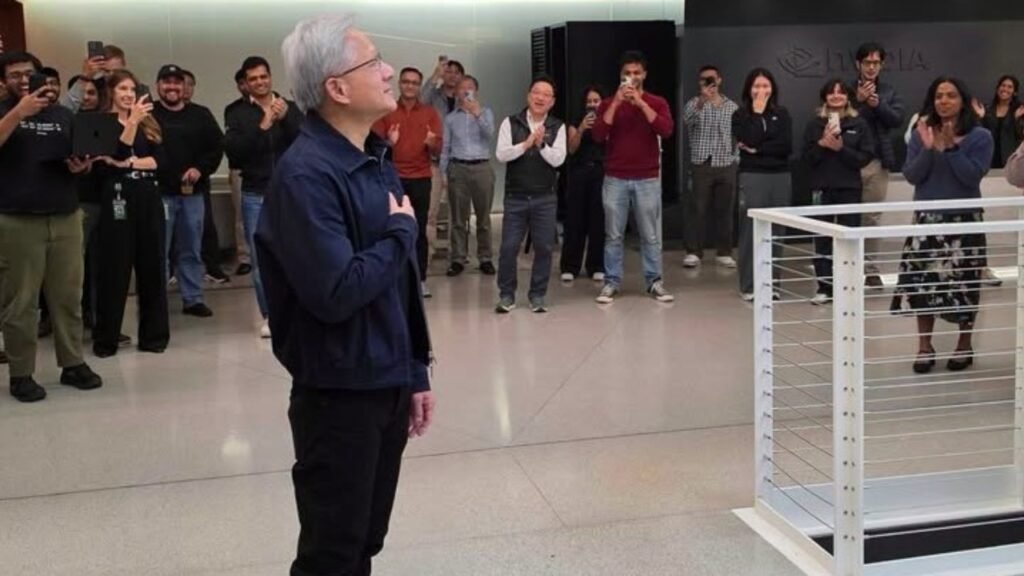
CALIFORNIA | JATIMSATUNEWS.COM: In a stunning corporate U-turn that sent shockwaves through Silicon Valley and Wall Street, Nvidia’s Board of Directors has officially reinstated co-founder Jensen Huang as President, Chief Executive Officer, and a member of the board.
The unanimous decision, effective immediately on Monday, November 23, 2026, ends a tumultuous 11-day leadership vacuum that threatened to destabilize the world’s premier artificial intelligence chipmaker.
Jensen Huang’s return marks one of the fastest and most consequential executive reversals in modern corporate history.
Less than two weeks ago, on November 12, Huang stepped down amid mounting controversy over revelations of multiple extramarital relationships—including one with a direct subordinate and another with a businesswoman, Alice Huang, whom U.S. officials feared had ties to Chinese intelligence.
Following his departure, Chief Financial Officer Colette Kress stepped in as interim CEO while newly appointed Board Chair Harvey Jones stated that the board had unanimously accepted Huang’s voluntary resignation and had no intention of bringing him back.
However, intense pressure from employees, Silicon Valley allies, institutional investors, and even the White House forced the directors to reconsider.
Highlights
Jensen Huang Returns as President and CEO of Nvidia
Wall Street Celebrates with a Historic Rally
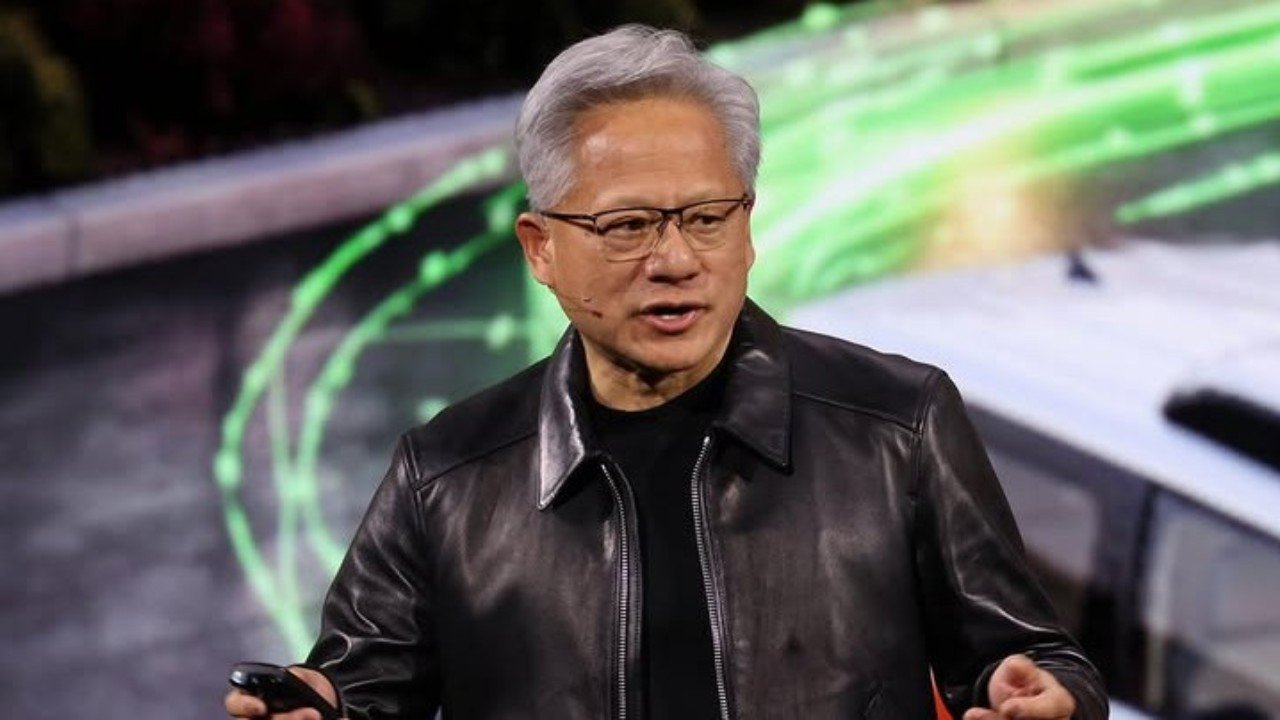
Financial markets reacted instantaneously and euphorically to the news of Jensen Huang’s reinstatement.
In pre-market and early Monday trading, Nvidia shares surged between 29% and 33%, adding roughly $1 trillion back to the company’s market valuation in a single session.
The rally also lifted broader semiconductor and technology indices, underscoring just how deeply Nvidia’s market dominance—having become the first company to surpass a $5 trillion valuation in October 2025—is tied to Huang’s personal leadership.
For institutional investors, Jensen Huang is more than a chief executive; he is the architect of the modern AI infrastructure boom.
Having co-founded Nvidia in 1993 at a Denny’s restaurant in San Jose, California, alongside Chris Malachowsky and Curtis Priem, Huang steered the company from a niche graphics card maker on the brink of bankruptcy into the indispensable engine of global artificial intelligence and high-performance computing.
Analysts noted that prolonged uncertainty at the top risked slowing product roadmaps and shaking customer confidence among hyperscale cloud providers.
The Role of the White House and National Security Assurances
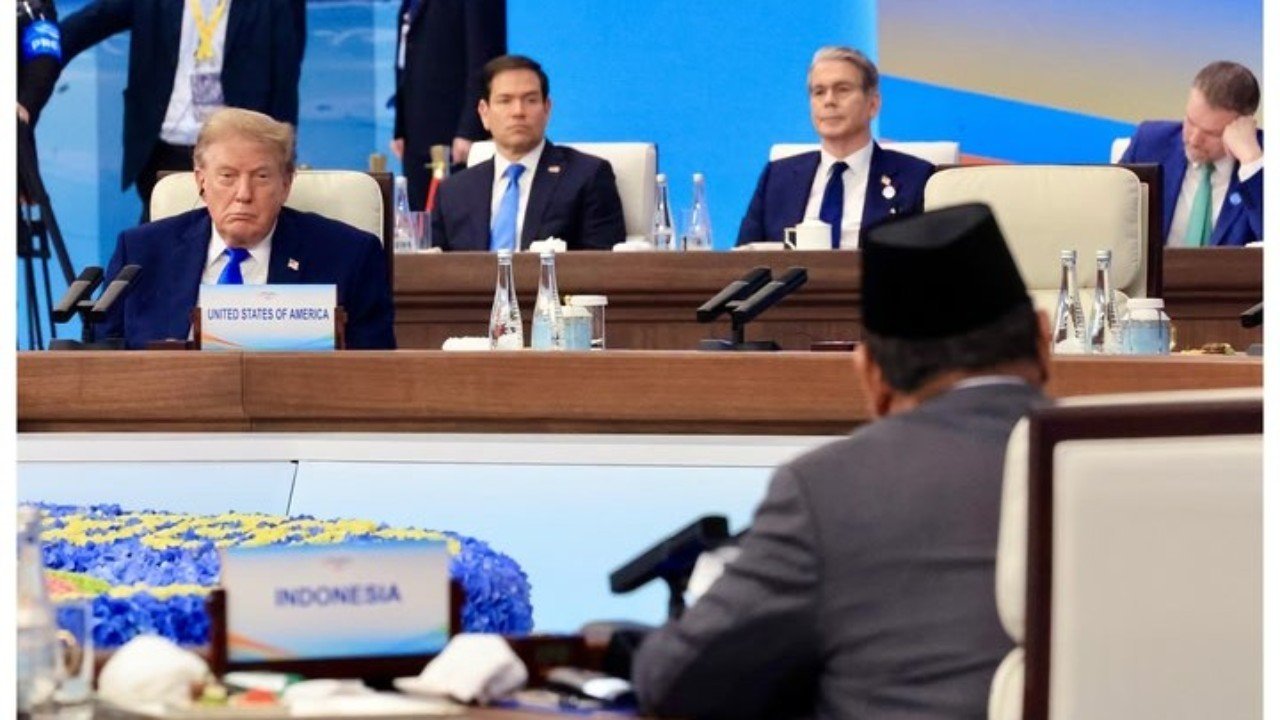
A critical turning point in the board’s deliberations involved national security concerns in Washington.
When reports initially surfaced linking one of Huang’s personal relationships to alleged Chinese intelligence operatives, lawmakers on Capitol Hill raised alarms over potential compromises to sensitive U.S. semiconductor technology and export controls.
In its official announcement on Monday, Nvidia’s board revealed that it had consulted directly with “senior levels of the United States government” prior to making its decision.
Based on those discussions and a series of candid meetings with Huang, the board stated it was “confident” that his return poses no national security risk and affirmed that he remains the right leader to guide the company forward.
U.S. President Donald Trump, who had publicly voiced support for Huang’s return in the days leading up to the announcement, quickly took credit for helping broker the outcome.
In a post on Truth Social, Trump praised the board’s move as “the correct and proper decision”, adding that the American economy depends on Huang’s leadership at Nvidia.
Trump also noted that the U.S. Attorney General possessed no evidence that Huang had engaged in any unlawful conduct. Speaking separately to CNBC, Trump remarked on his outreach to the board regarding national security assurances, stating simply, “I made the deal”.
Internal Revolt and Silicon Valley Backing
While Washington’s assurances cleared the geopolitical hurdle, the momentum for Huang’s comeback began internally.
Immediately after his resignation, thousands of Nvidia employees signed petitions and voiced public support demanding his reinstatement, demonstrating a level of internal loyalty rarely seen in major tech corporations.
Simultaneously, prominent figures across the technology sector—including Elon Musk—weighed in publicly, arguing that ousting a visionary founder at the height of a global AI race would be a strategic blunder for both the company and American technological competitiveness.
Faced with the prospect of mass employee demoralization and fierce pushback from major shareholders, the board entered intensive negotiations with Huang late last week.
Huang publicly acknowledged his personal failings, stating that he had fallen short of the standards expected at Nvidia, and pledged full transparency moving forward.
New Guardrails and Ongoing Investigations
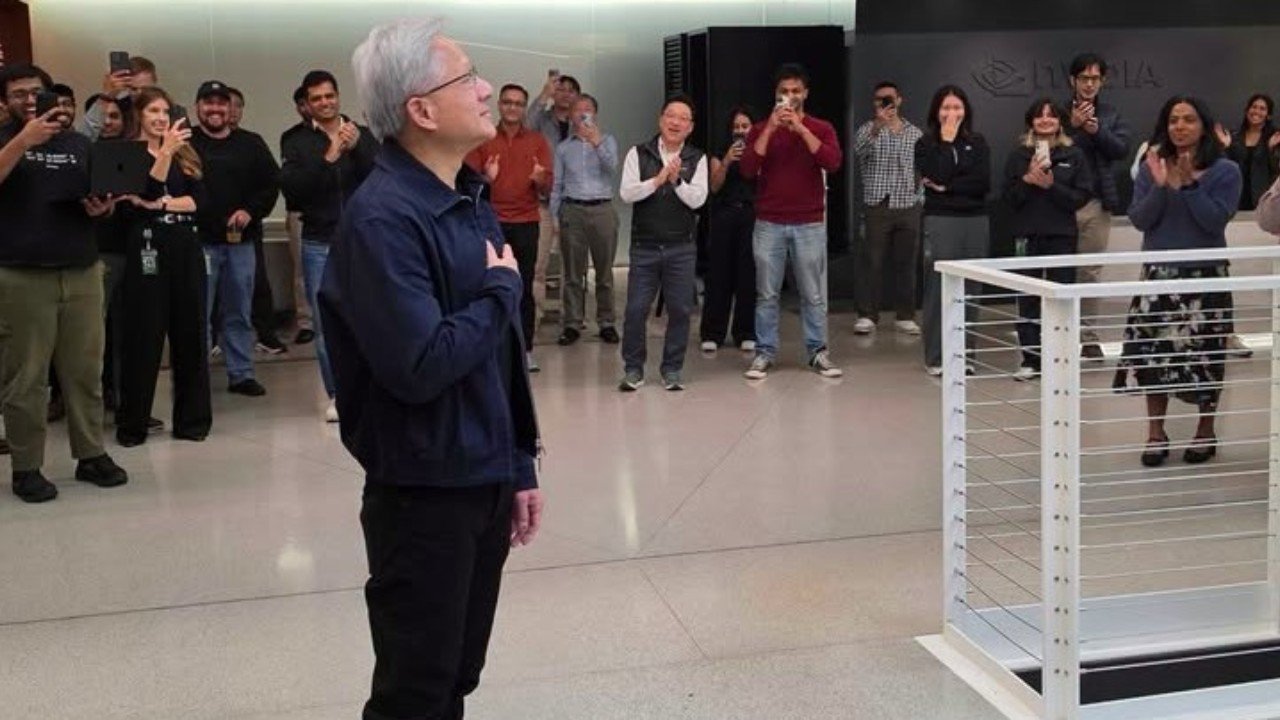
Despite regaining his titles as President, CEO, and director, Jensen Huang is returning to a company with significantly tighter governance and oversight mechanisms.
Nvidia’s board emphasized that its independent committee—supported by outside legal counsel—will continue its ongoing investigation into the circumstances surrounding Huang’s relationships and alleged intelligence links.
Huang has agreed to cooperate fully with the probe. To address lingering concerns from regulators and Congress, the board has instituted major structural reforms;
National Security and Export Control Committee
Nvidia has established a dedicated committee composed entirely of independent directors, backed by specialist legal advisers, to rigorously monitor trade compliance and national security risks.
Chief Compliance Officer
The company has initiated a formal search for a new Chief Compliance Officer who will oversee corporate ethics and regulatory adherence across all divisions, reporting directly to the Nominating and Corporate Governance Committee.
Government Cooperation
Leadership confirmed that Nvidia will maintain full cooperation with all ongoing federal inquiries regarding export controls and national security protocols.
Read also: Microsoft 365 and Outlook Hit by Massive Global Outage, Immediately Trends on Google
The Road Ahead
As Huang steps back into the helm in Santa Clara, he faces the dual challenge of maintaining Nvidia’s breakneck pace of AI innovation while rebuilding trust with Washington lawmakers and corporate governance watchdogs.
Some members of the U.S. Congress have already voiced skepticism over the White House’s intervention and the speed of the board’s reversal, signaling that scrutiny from Capitol Hill is far from over.
For now, however, the message from Nvidia’s headquarters and the global financial markets is unmistakable: in the high-stakes race for artificial intelligence supremacy, neither the company nor its investors were willing to move forward without Jensen Huang at the wheel.***
Author: YAN








Komentar Pembaca
Belum ada komentar pada artikel ini. Jadilah yang pertama.
Minimal 10 karakter, maksimal 1000. Maksimal satu tautan. Semua komentar ditinjau redaksi sebelum tampil.