


CALIFORNIA | JATIMSATUNEWS.COM: As the technology world looks ahead to 2027, a wave of supply chain leaks and reports from prominent international tech publications have begun to provide a clear picture—including the potential arrival of Apple’s “iPhone 20”.
Widely referred to in industry circles as the iPhone 20 (or iPhone XX), the upcoming flagship is rumored to skip the “iPhone 19” moniker entirely, mirroring Apple’s 2017 branding strategy when it bypassed the iPhone 9 to introduce the transformative iPhone X.
According to extensive reporting from many outlets, Apple is engineering a device designed to bring the iPhone closer than ever to former design chief Jony Ive’s long-held vision of a “single sheet of glass”.
The rumor was leaked by Bloomberg, MacRumors, and Tom’s Guide, alongside prominent hardware leakers such as Ice Universe, Digital Chat Station, and Fixed Focus Digital.
While Apple has not officially confirmed any specifications or naming conventions, recent prototypes and component leaks offer a detailed look at what consumers can expect in September 2027.
Highlights
Apple’s 20th Anniversary with the iPhone 20?
A Return to Radical Design: The Quad-Curved Glass Chassis
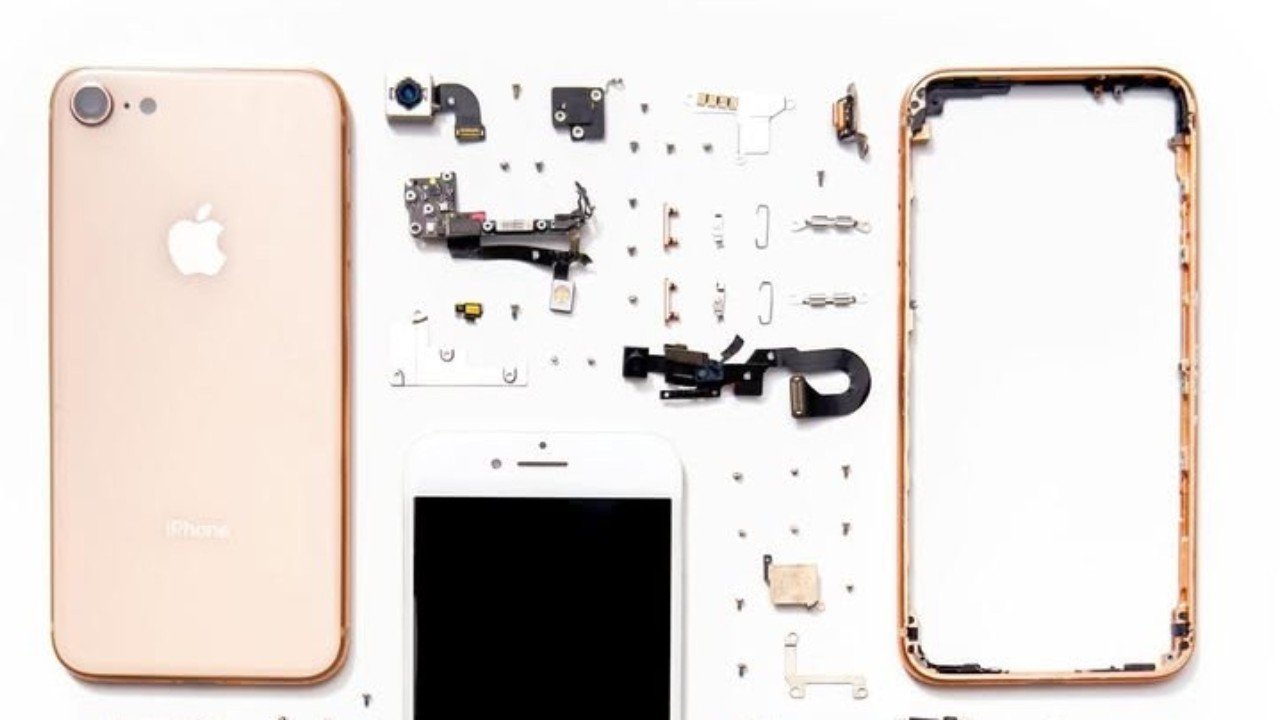
The centerpiece of the iPhone 20 rumors revolves around a dramatic departure from the flat-edged industrial design Apple has utilized since the iPhone 12 lineup.
According to recent disclosures reported by MacRumors, Apple has spent roughly three years prototyping a “quad-curved” glass architecture.
In this design, both the front display glass and the rear panel curve smoothly along all four edges—top, bottom, left, and right—meeting a razor-thin, polished metal band in the center.
Earlier reports from Bloomberg journalist Mark Gurman noted that Apple initially explored an even more extreme “all-glass” unibody concept without any metallic perimeter.
However, engineering realities regarding structural integrity and drop durability led Cupertino to moderate the design, opting instead for a structural middle frame—potentially marking a return to lightweight titanium for the Pro tiers—sandwiched between deeply contoured glass sheets.
Supply chain insiders cited by Fixed Focus Digital suggest that Apple’s manufacturing partners have already completed facility renovations.
The renovations to accommodate this complex glass-molding process, utilizing reinforced glass formulations similar to those debuted on the ultra-thin iPhone Air.
Furthermore, Ice Universe revealed that Apple is actively testing four distinct prototypes split across two design philosophies.
Two retaining traditional flat glass (likely destined for standard models or serving as manufacturing fallbacks) and two utilizing the refined quad-curved glass for the flagship iPhone 20 Pro and iPhone 20 Pro Max.
iPhone 20 with a New Display: 1mm Bezels and the Dynamic Island Debate
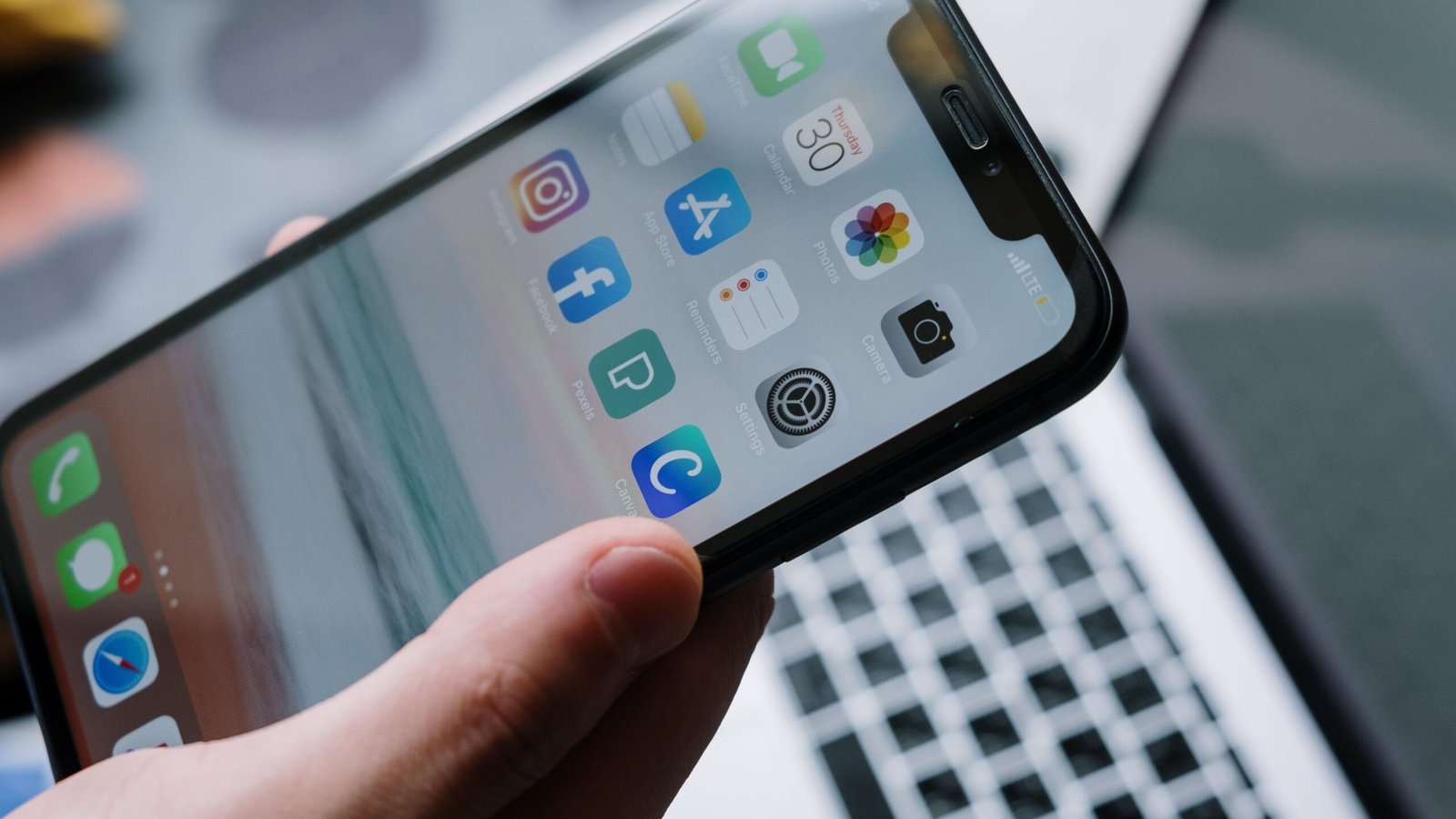
Complementing the four-sided curved glass is a major leap in OLED display engineering, reportedly developed in close collaboration with Samsung Display.
Supply chain schematics indicate that the iPhone 20 Pro models will feature slightly expanded screen real estate, measuring approximately 6.41 inches for the standard Pro and 6.96 inches for the Pro Max.
What makes these panels truly stand out, however, is the near-total elimination of visible borders. The active display area is rumored to feature symmetrical black bezels measuring just 1 millimeter in width.
Because the outer glass bends downward at the exact perimeter of the screen, optical refraction effectively hides the 1mm border when viewed head-on, creating an illusion of a completely borderless, edge-to-edge canvas.
Despite hopes for a completely uninterrupted screen, international media reports remain divided on whether Apple will eliminate the Dynamic Island in 2027.
While early optimism pointed toward fully concealed under-display Face ID sensors and an invisible front-facing camera, more recent leaks suggest technological hurdles remain.
As highlighted by Tom’s Guide, leaker Digital Chat Station maintains that the 2027 anniversary lineup will still feature physical display cutouts for the front camera and biometric sensors.
Display industry analysts largely concur that while Apple may shrink the footprint of the Dynamic Island or transition to a smaller pill-and-hole configuration, a truly notch-free, all-screen iPhone may not reach mass production readiness until closer to 2030.
Solid-State Haptics and Next-Generation Silicon
Beyond exterior aesthetics, the iPhone 20 is expected to introduce substantial internal and tactile upgrades.
Multiple supply chain reports indicate that Apple is reviving “Project Bongo”—a previously shelved initiative to replace traditional mechanical volume and power buttons with solid-state haptic controls.
Instead of physically depressing into the chassis, these pressure-sensitive zones on the titanium frame will utilize localized Taptic Engine vibrations to simulate the feel of a physical click, further enhancing water and dust resistance while preserving the sleek, uninterrupted contour of the device.
Under the hood, the iPhone 20 Pro lineup is slated to be powered by the A21 Pro chip, fabricated on TSMC’s enhanced 2-nanometer (2nm) process node.
International hardware analysts note that this silicon architecture is being built from the ground up to handle heavy, next-generation on-device Apple Intelligence workloads, paired with high-bandwidth memory configurations and an upgraded vapor-chamber cooling system to sustain peak performance.
Connectivity is also expected to see a major milestone as Apple continues phasing out third-party modems in favor of its custom, in-house C3 cellular modem.
Read also: Microsoft 365 and Outlook Hit by Massive Global Outage, Immediately Trends on Google
Camera Innovations and Silicon-Anode Battery Tech

In the photography department, Apple is reportedly moving away from off-the-shelf sensors for its primary wide camera in favor of a bespoke, Apple-designed image sensor.
According to supply chain reports, this custom sensor will incorporate LOFIC (Lateral Overflow Integration Capacitor) technology.
LOFIC enables individual pixels to store significantly more light information before saturating, potentially granting the iPhone 20 Pro up to 20 stops of dynamic range.
This is a figure that rivals dedicated cinema cameras and dramatically improves highlight retention in harsh lighting conditions.
To power the larger, brighter displays and demanding AI features without increasing the phone’s thickness, Apple is rumored to adopt pure silicon-anode battery technology.
By replacing traditional graphite anodes with silicon, battery energy density increases substantially, allowing Apple to pack significantly higher milliamp-hour capacities—rumored to approach the 6,000mAh threshold on the Pro Max—into a sleeker profile.
Anticipated Timeline and Market Positioning
If Apple adheres to its traditional hardware release cadence, the iPhone 20 lineup will be unveiled during a high-profile keynote in September 2027, potentially sharing the stage with Apple’s next-generation foldable iPhone.
Given the expensive custom quad-curved glass manufacturing, 2nm silicon, and bespoke camera hardware, industry analysts project a starting price around $1,299 USD for the entry-level Pro anniversary model.
As with all pre-release hardware leaks, international media emphasize that Apple frequently tests multiple parallel prototypes before locking in final specifications months ahead of mass production.
Nevertheless, the consensus among supply chain observers is clear: for its 20th birthday, Apple intends to deliver a landmark device that redefines the visual identity of the iPhone for its third decade.***
Author: YAN












Komentar Pembaca
Belum ada komentar pada artikel ini. Jadilah yang pertama.
Minimal 10 karakter, maksimal 1000. Maksimal satu tautan. Semua komentar ditinjau redaksi sebelum tampil.